
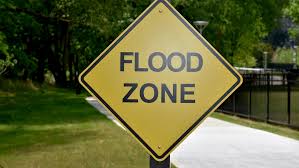
Montreal and Quebec, with their picturesque landscapes and vibrant communities, are highly sought-after places to call home. However, both regions are not immune to the challenges posed by natural disasters, particularly flooding. In recent years, instances of severe flooding have raised concerns for homeowners and potential buyers alike. This article aims to shed light on flood zones in Montreal and Quebec, providing valuable insights for those looking to purchase property in these areas.
Understanding Flood Zones:
Flood zones are designated areas prone to flooding based on historical data and geographical considerations. In Montreal and Quebec, the St. Lawrence River, its tributaries, and other bodies of water contribute to the unique topography that can increase the risk of flooding. The flood zones are typically categorized by the likelihood and severity of flooding, ranging from high-risk to moderate and low-risk zones.
Factors Contributing to Flooding:
-
Proximity to Water Bodies: Areas near rivers, lakes, and other water bodies are at a higher risk of flooding. In Montreal and Quebec, neighborhoods situated along the St. Lawrence River or its tributaries may be more susceptible to flood events.
-
Topography: The region's terrain plays a significant role in flood risk. Low-lying areas or those with poor drainage systems are more prone to flooding, especially during heavy rainfall or spring thaw.
-
Urban Development: Rapid urbanization and inadequate infrastructure can exacerbate the risk of flooding. Paved surfaces and insufficient drainage systems contribute to increased runoff, potentially overwhelming existing water management systems.
How to Watch Out for Flood Zones When Buying a Home:
-
Consult Flood Maps: Obtain up-to-date flood maps from local authorities or use online resources to identify flood-prone areas. These maps typically highlight different flood zones, providing valuable information for potential homebuyers.
-
Engage with Local Authorities: Contact municipal authorities or the relevant local government departments to inquire about flood risks in specific neighborhoods. They can provide insights into historical flood events, ongoing mitigation efforts, and future development plans.
-
Professional Inspections: Hire a qualified home inspector to assess the property thoroughly. They can identify signs of water damage, evaluate the home's elevation, and provide recommendations for flood prevention measures.
-
Insurance Considerations: Investigate the availability and cost of flood insurance for the property. Insurance premiums may vary based on the property's location and its susceptibility to flooding. Understanding insurance options can help mitigate financial risks associated with potential flood damage.
-
Community Engagement: Connect with local community organizations and residents to gather anecdotal information about flooding in the area. Community insights can provide valuable perspectives on the frequency and severity of past flooding events.
Conclusion:
While Montreal and Quebec offer a rich cultural and natural tapestry, it's crucial for homebuyers to be aware of the potential risks associated with flood zones. By utilizing available resources, engaging with local authorities, and conducting thorough inspections, prospective homeowners can make informed decisions that not only fulfill their housing needs but also safeguard against the challenges posed by flooding. Stay dry, stay informed, and build a home that stands resilient against the forces of nature.